Options Mall · Business shirts near Andheri · Vile Parle West, Mumbai

The 9-to-9 09:00 The business day, dressed +91 8369381345

All stops 01—12

+91 8369381345 optionsclothingmumbai@gmail.com

06 / 12 · Fabrics & Details

The fabric library · Shirting guide

Fabrics & Details

A visual library of shirting fabrics and the small construction details that separate a good business shirt from an ordinary one.

Two shirts can share the same colour and cut and still feel worlds apart. The difference is in the cloth — its fibre, weave, weight and finish — and in details most people never look at: the stitching, the seams, the collar interlining, the buttons. This page opens each drawer of the library in turn.

  • Natural fibre
  • Smooth
  • Textured
  • Patterned weave
  • Blended

01 The fabric library

Nine drawers of
shirting cloth

Each entry pairs a drawn weave swatch — a graphic of the cloth's structure — with a photograph of a shirt showing that kind of surface. Colour codes group the fabrics by character, so you can compare like with like.

9 shown

Natural fibre

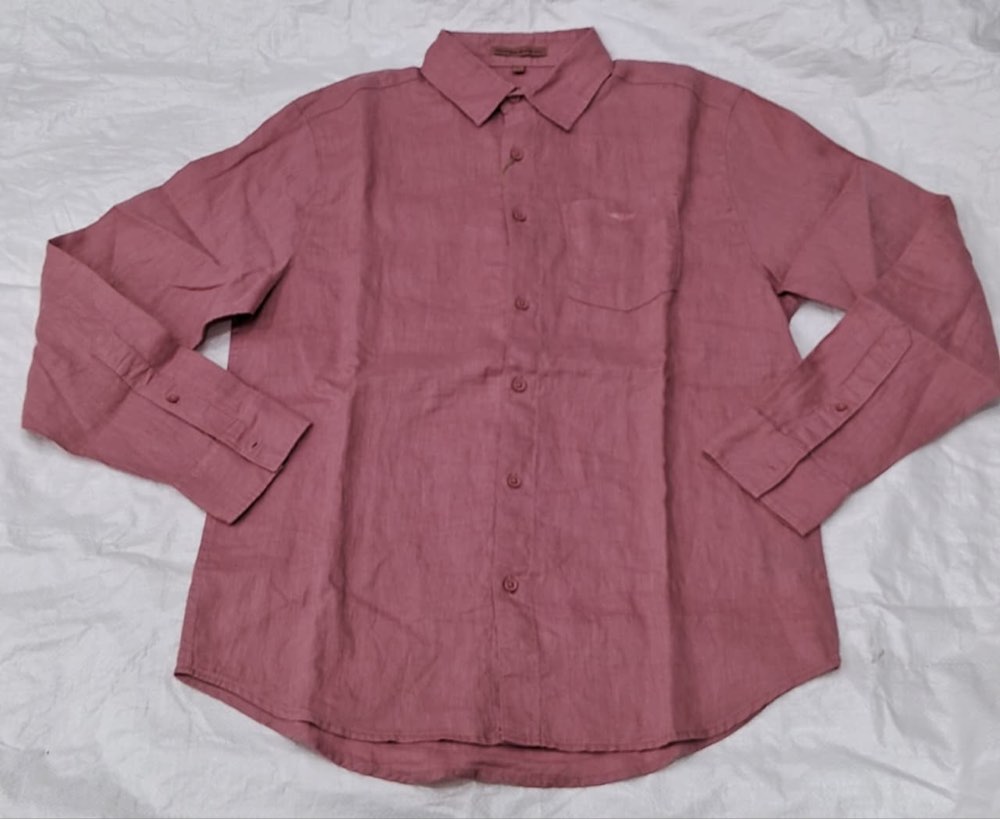
Dusty rose long-sleeve shirt with a soft, slightly slubbed cotton surface and a chest pocket, laid flat on white cloth
F-01 · Soft, matte cotton in dusty rose

F-01 / Natural fibre

Cotton

The fibre behind most business shirts.

Cotton is a natural seed fibre, spun into yarn and then woven into every shirting on this page. Its quality starts with staple length: longer fibres spin into finer, smoother, stronger yarns, which is why long-staple cottons feel silkier and pill less. Yarn fineness is expressed as a count — the higher the number, the finer the yarn — and two-ply yarns, where two threads are twisted together, give a firmer, more durable cloth.

For daily wear, cotton's strengths are comfort and breathability. It absorbs moisture, lets air pass, feels gentle on the skin and takes colour well. The trade-offs are creasing and some shrinkage unless the cloth has been pre-shrunk. For office shirts in Mumbai, a well-woven pure cotton remains the most comfortable all-round choice.

Fibre
Natural, plant seed fibre
Feel
Soft, matte, absorbent
Climate
Breathable; comfortable in warm weather
Care
Wash cool to limit shrinkage; iron while slightly damp
Smooth

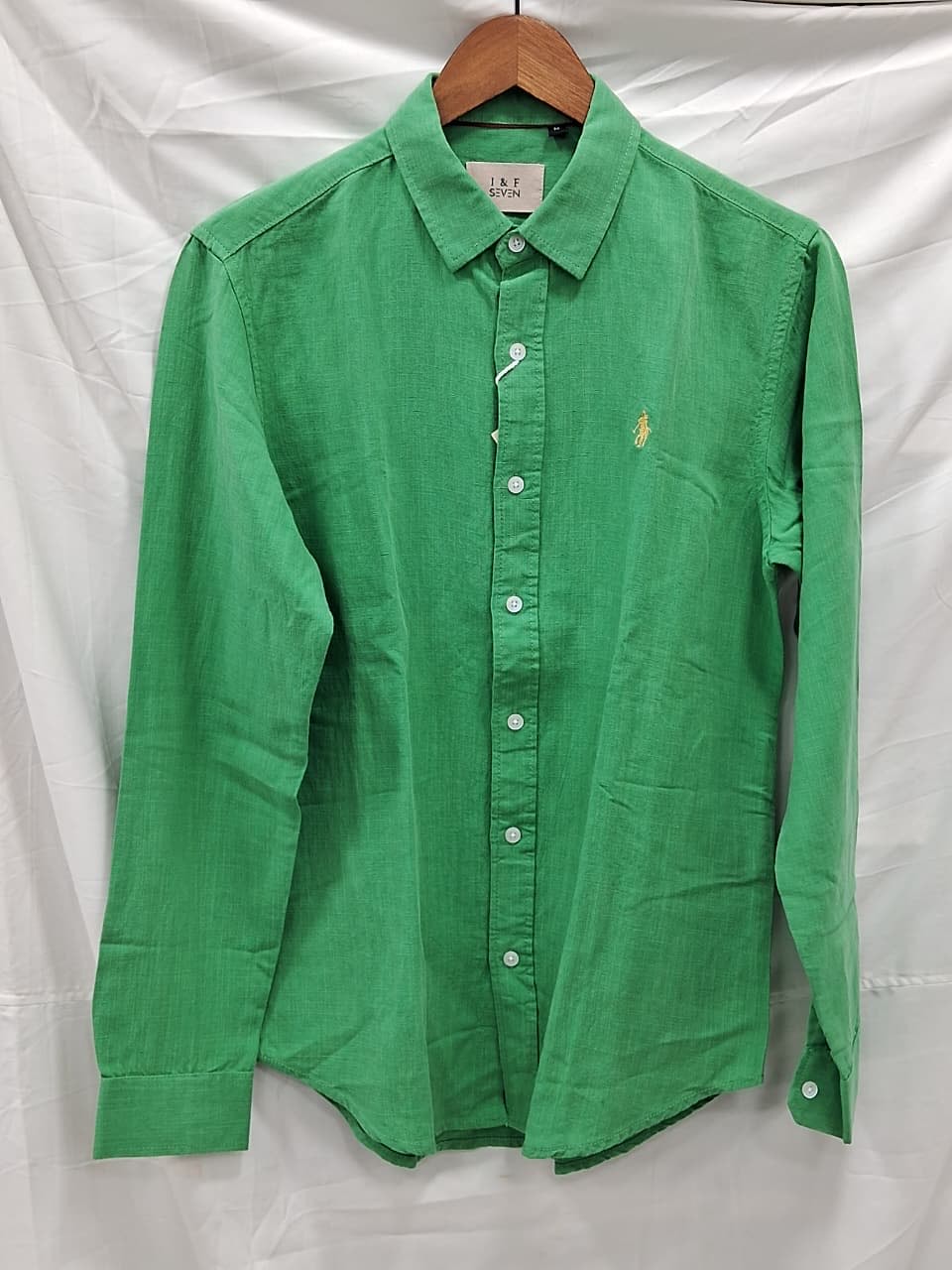
Bright green long-sleeve shirt with a smooth, even surface, white buttons and a chest pocket, on a wooden hanger
F-02 · A clean, even surface — the look associated with poplin

F-02 / Smooth

Poplin

Smooth, light and crisp.

Poplin is a plain weave — each thread passes over one and under the next — made with a fine, densely packed warp. The result is a smooth, flat surface with a very faint crosswise rib, a light weight and a crisp hand.

It is the classic formal shirting: it takes a sharp press, sits neatly under a jacket and works with a tie. Because it is light and close to the skin, poplin feels cool; the flip side is that it creases more readily than twill and lighter shades can be slightly sheer.

Weave
Plain, one over one under
Surface
Smooth, faint sheen
Best for
Formal office days, suits, ties
Care
Iron hot while damp for the crispest finish

Smooth

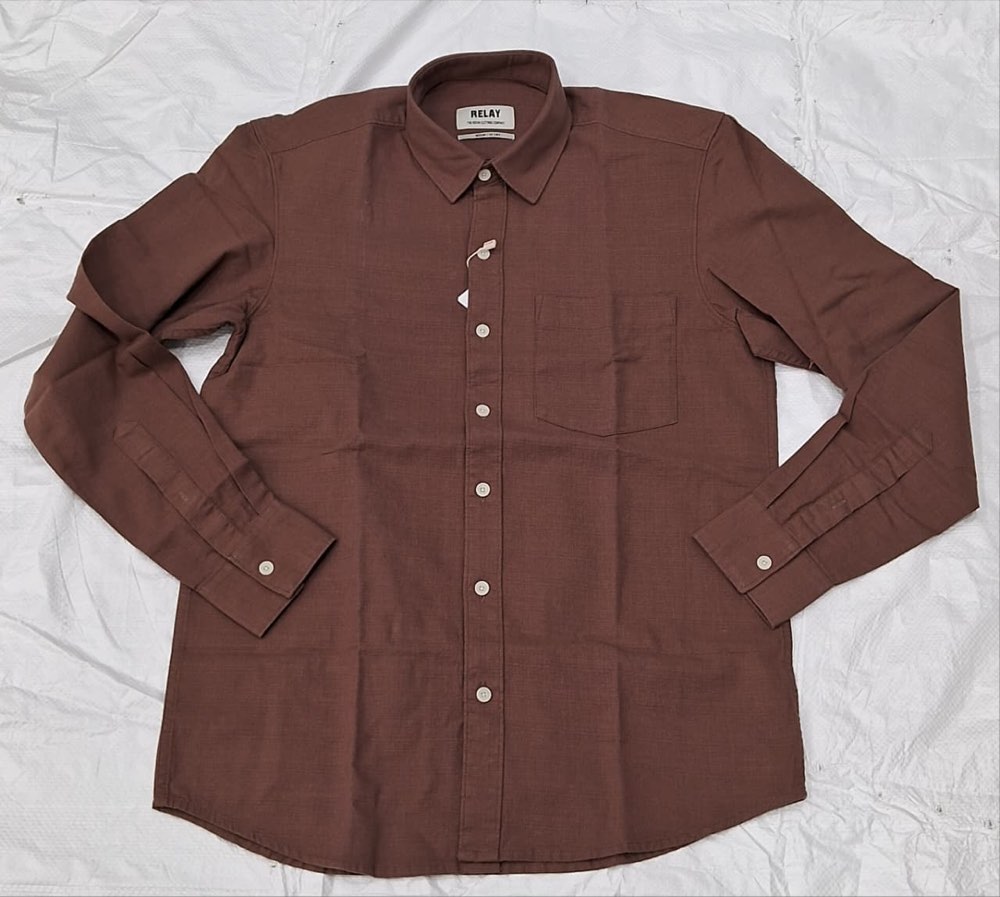
Rust-brown long-sleeve shirt with a fine, closely woven surface, a chest pocket and light buttons, laid flat
F-03 · Dense, even weave with a gentle sheen

F-03 / Smooth

Broadcloth

Closely woven and quietly polished.

Broadcloth is another plain weave, woven so closely that the individual threads are barely visible. In shirting, the name is often used interchangeably with poplin; where a difference is drawn, broadcloth is the flatter, denser cloth with no visible rib.

Its smooth face gives solid colours a rich, even depth and a subtle lustre, which is why it is popular for plain business shirts. It feels light and smooth, wrinkles fairly easily and, like poplin, benefits from careful ironing.

Weave
Tight plain weave
Surface
Very smooth, low texture
Best for
Solid formal shirts, layered under jackets
Care
Press on the reverse to protect the sheen

Textured

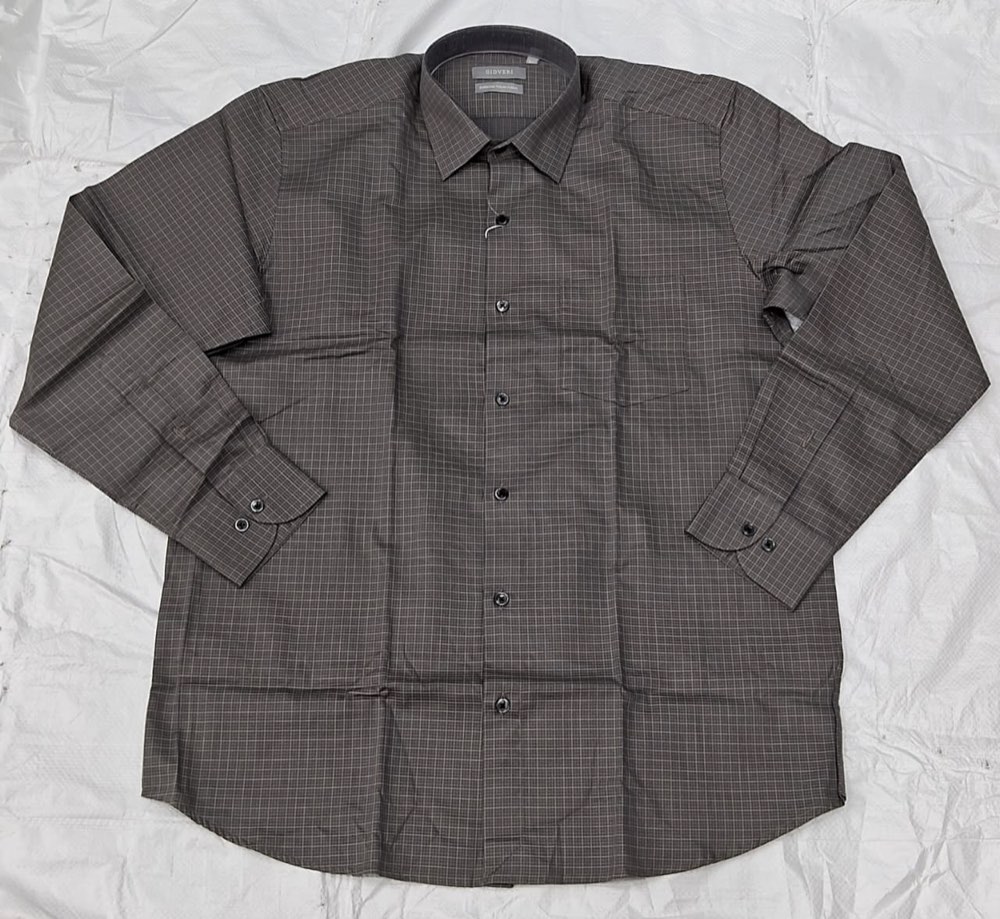
Dark brown business shirt with a small woven check pattern, dark buttons and a point collar, laid flat on white cloth
F-04 · Fine pattern on a soft, substantial cloth

F-04 / Textured

Twill

Diagonal lines, softer drape.

In a twill, each weft thread passes over one or more warp threads and then under two or more, with the pattern stepping along by one thread on every row. That offset creates the fine diagonal lines you can see when you look closely. Herringbone is a twill whose diagonal reverses at regular intervals.

Twill packs more threads into the cloth than a plain weave, so it is slightly heavier, softer, more opaque and naturally more wrinkle resistant. It drapes well, shows a gentle sheen on the diagonal, and suits air-conditioned offices and longer days when you want a shirt to look fresh late into the evening.

Weave
Diagonal (twill) structure
Surface
Fine diagonal texture, soft sheen
Best for
All-day wear, travel, cooler offices
Care
Creases less; a quick press is usually enough

Textured

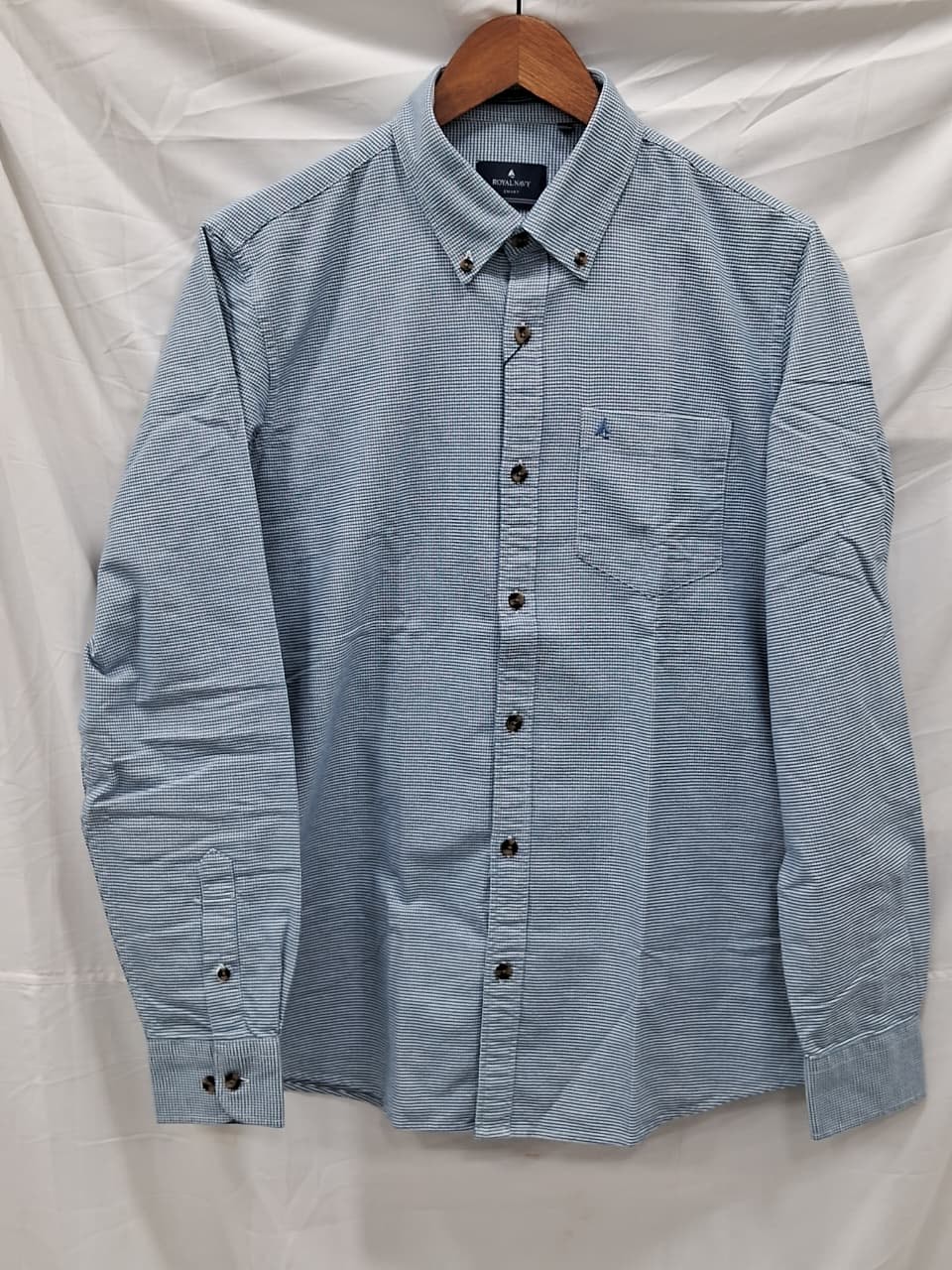
Light blue button-down collar shirt with a textured Oxford-style weave, dark buttons and a chest pocket, on a wooden hanger
F-05 · Button-down collar with a visibly textured weave

F-05 / Textured

Oxford

Basket weave with character.

Oxford cloth uses a basket weave: two or more threads travel together as one, producing a small, chequered texture. It is often woven with a coloured warp and a white weft, which gives the subtly two-tone, heathered look of a classic blue Oxford. The cloth is soft yet sturdy and grows more comfortable with washing.

Standard Oxford leans relaxed and pairs naturally with a button-down collar. Pinpoint Oxford uses finer yarns in a tighter weave for a smoother, dressier cloth that sits between Oxford and poplin. Royal Oxford is finer still, with a more pronounced, lustrous texture and a polished look suited to formal business wear.

Weave
Basket weave
Surface
Textured, heathered
Best for
Smart-casual days; pinpoint and royal for formal
Care
Durable; tolerates frequent washing

Patterned weave

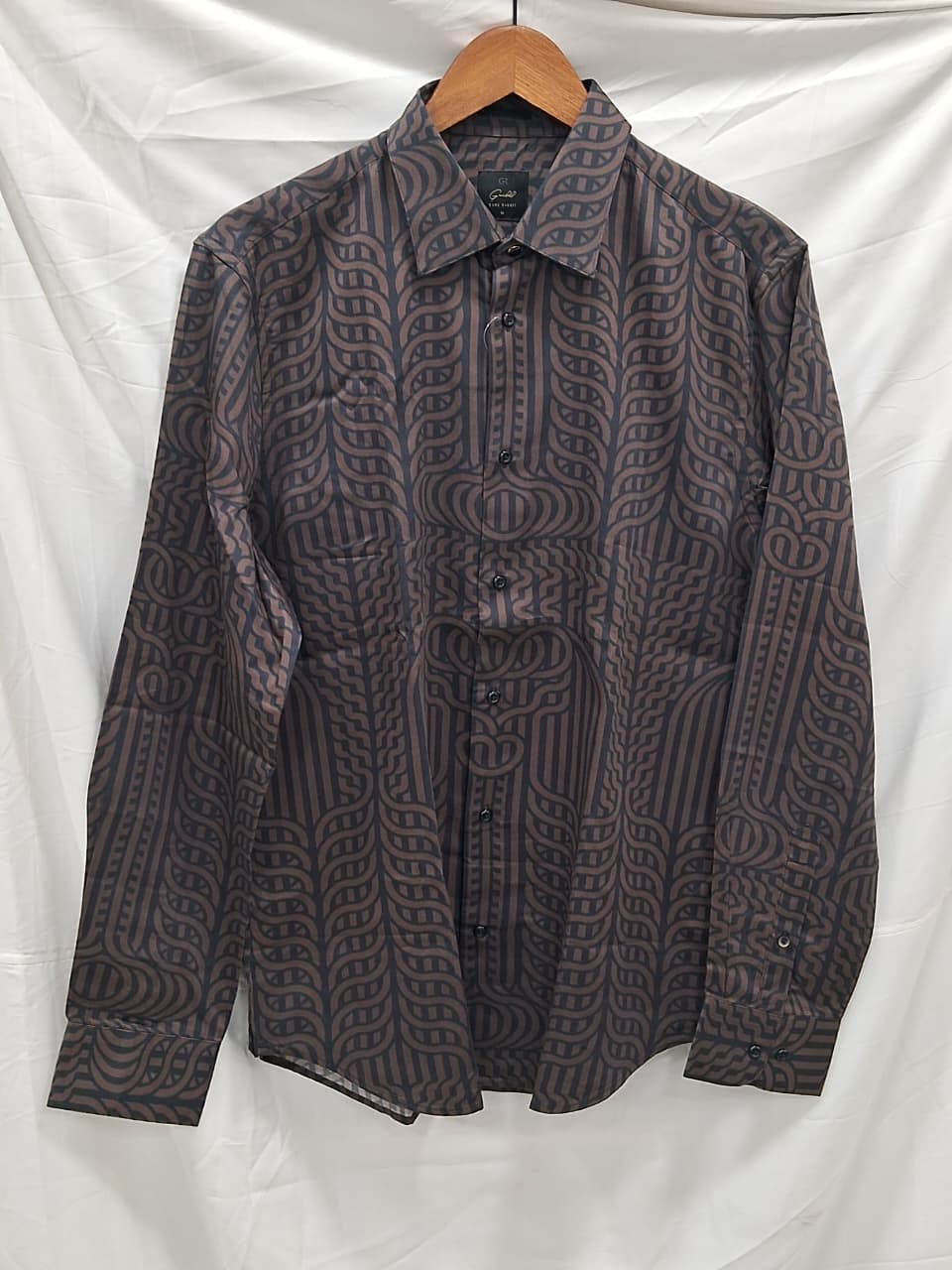
Dark brown shirt with a tonal grey interlocking chain pattern running in vertical bands, on a wooden hanger
F-06 · Tonal, repeating figures — the territory of figured weaves

F-06 / Patterned weave

Dobby

Pattern built into the cloth.

A dobby is woven on a loom with a dobby attachment, which lifts individual groups of warp threads to weave small geometric figures directly into the fabric — tiny dots, diamonds, squares or fine stripes. Because the pattern is part of the structure rather than printed on top, it often appears tone on tone and catches the light as you move.

Dobby shirtings bring quiet interest to an office wardrobe: they read as solid from across a room and reveal their texture up close. They are ideal when you want something a little more individual than plain poplin while staying entirely business appropriate.

Weave
Small figured weave
Surface
Raised, tonal motifs
Best for
Subtle pattern for meetings and daily wear
Care
Iron on the reverse to keep the texture lifted

Natural fibre

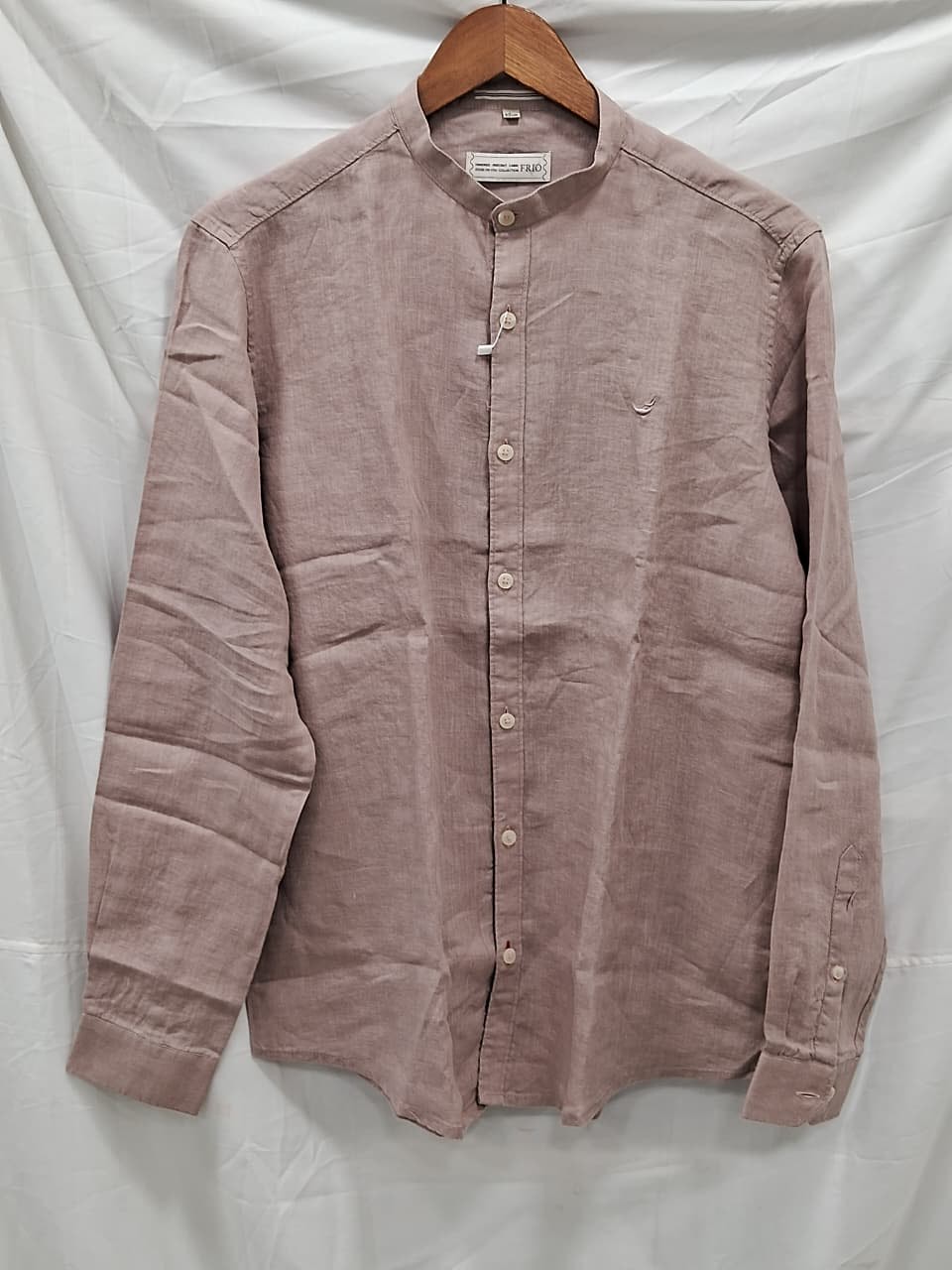
Dusty pink linen shirt with a band collar and visible natural creases, on a wooden hanger
F-07 · Natural creases and slubbed texture of linen

F-07 / Natural fibre

Linen

Cool, textured, naturally creased.

Linen is spun from the flax plant. Its fibres are long and strong, with natural irregularities — slubs — that give the cloth its characteristic texture. Linen conducts heat away from the body, absorbs moisture readily and dries quickly, which makes it one of the most breathable shirt fabrics there is.

That makes it a natural ally in Mumbai's warm, humid climate. Linen does crease easily; most people accept the soft rumple as part of its character, and it softens noticeably with every wash. For a more structured office look, choose a slightly heavier linen or a cotton-linen blend.

Fibre
Natural, from flax
Feel
Crisp at first, softening with wear
Climate
Highly breathable; quick drying
Care
Iron damp on high heat, or embrace the creases

Textured

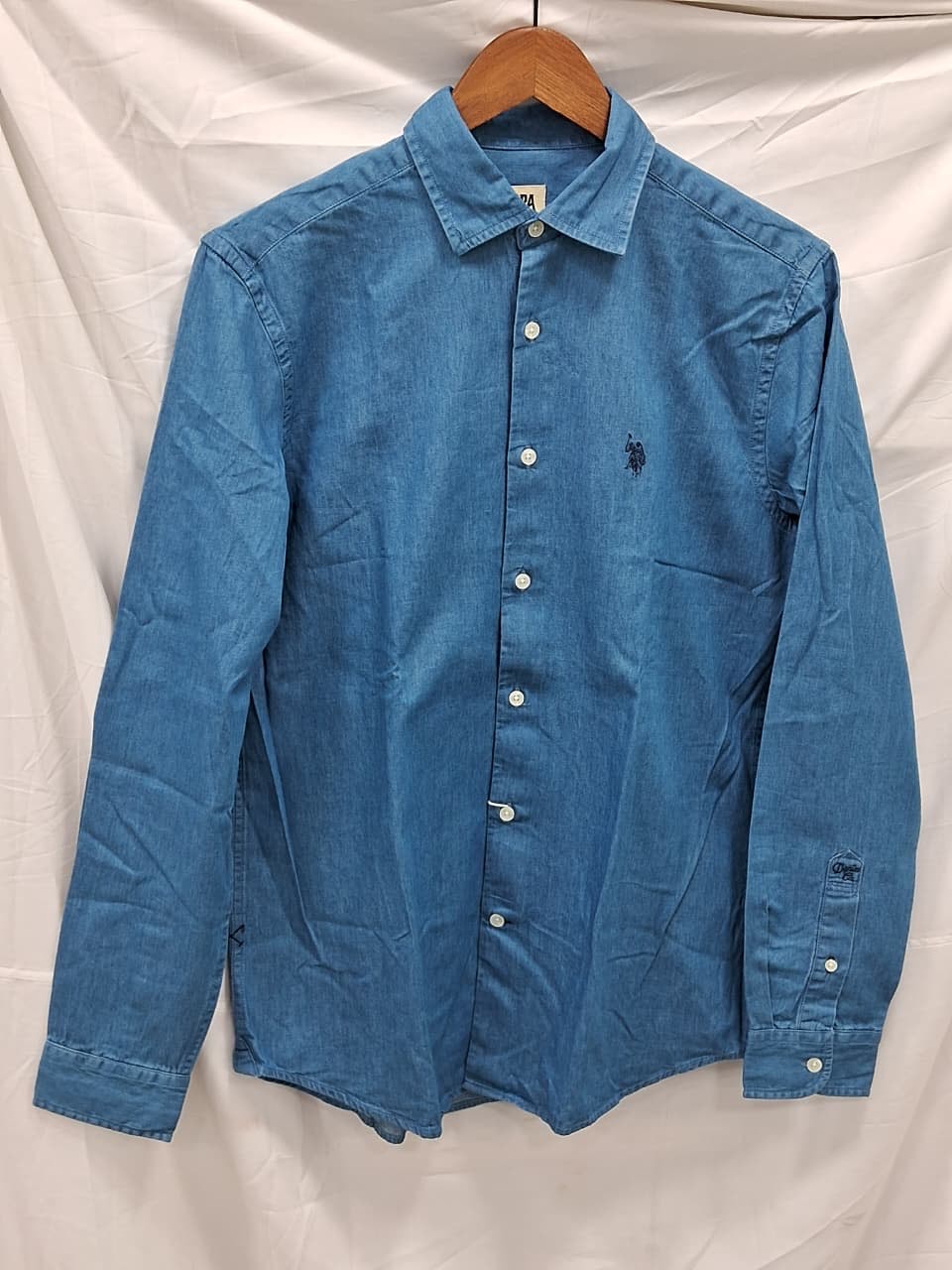
Mid-blue chambray-style shirt with a fine tonal dot, white buttons and a spread collar, on a wooden hanger
F-08 · Mid-blue shirting with a soft, heathered tone

F-08 / Textured

Chambray

Denim's lighter cousin.

Chambray is a plain weave made with a coloured warp — traditionally indigo blue — and a white weft. The mix of the two produces a soft, heathered colour that looks like denim from a distance but is lighter and more breathable, because denim is woven as a heavier twill.

Chambray sits on the relaxed side of business dressing: it is ideal for smart-casual offices, creative workplaces and Fridays, and pairs well with chinos and knitted ties.

Weave
Plain, coloured warp with white weft
Surface
Soft, heathered tone
Best for
Smart-casual days, travel
Care
Wash dark shades separately at first

Blended

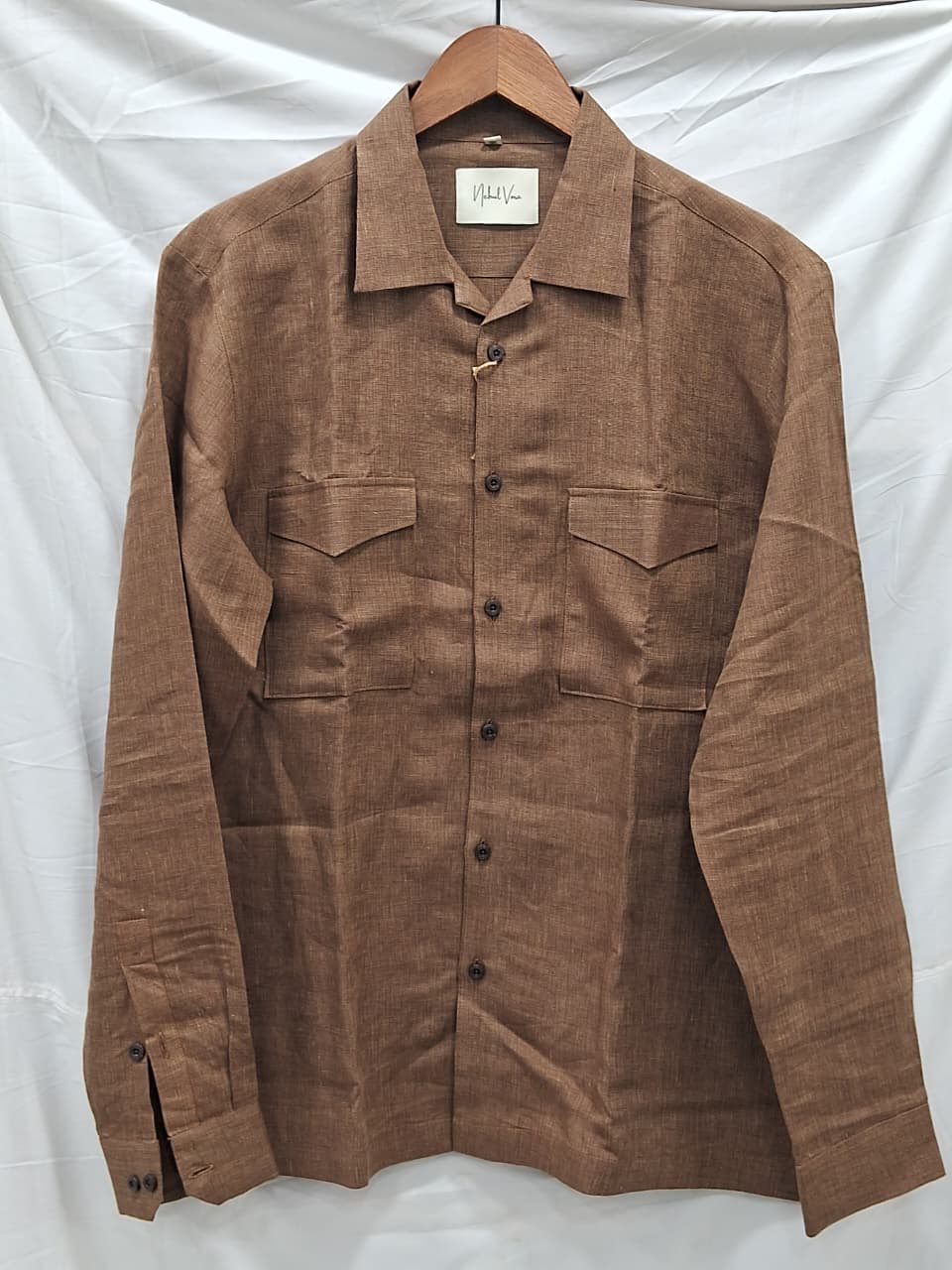
Brown long-sleeve shirt with an open camp collar, two flap chest pockets and a linen-like texture, on a wooden hanger
F-09 · A linen-look surface with a softer, more relaxed hand

F-09 / Blended

Cotton blends

Combining fibres for practical gains.

Blends mix cotton with another fibre to shift its behaviour. Cotton-polyester resists creasing, dries faster and holds its shape, at the cost of some breathability and softness. Cotton-linen keeps much of linen's coolness and texture while creasing less and feeling softer. Stretch blends add a small proportion of elastane, giving closer fits real freedom of movement.

The ratio matters. A shirt that is mostly cotton keeps cotton's comfort with a little extra practicality; a polyester-rich shirt is easier to care for but can feel warm on humid days. Always check the fibre label, which lists the composition in order of proportion.

Fibre
Cotton with polyester, linen or elastane
Feel
Varies with the blend ratio
Best for
Easy care, travel, active days
Care
Follow the label; synthetics prefer cooler irons

Weave swatches are simplified graphics of each structure. Photographs show shirts with surfaces typical of each fabric family and are not a statement of any garment's exact composition.

02 Reading the cloth

Weight, texture, drape, opacity

Four qualities you can judge with your hands and eyes in a few seconds. Hold the cloth up to the light, crumple a corner in your fist, let it hang from your fingers.

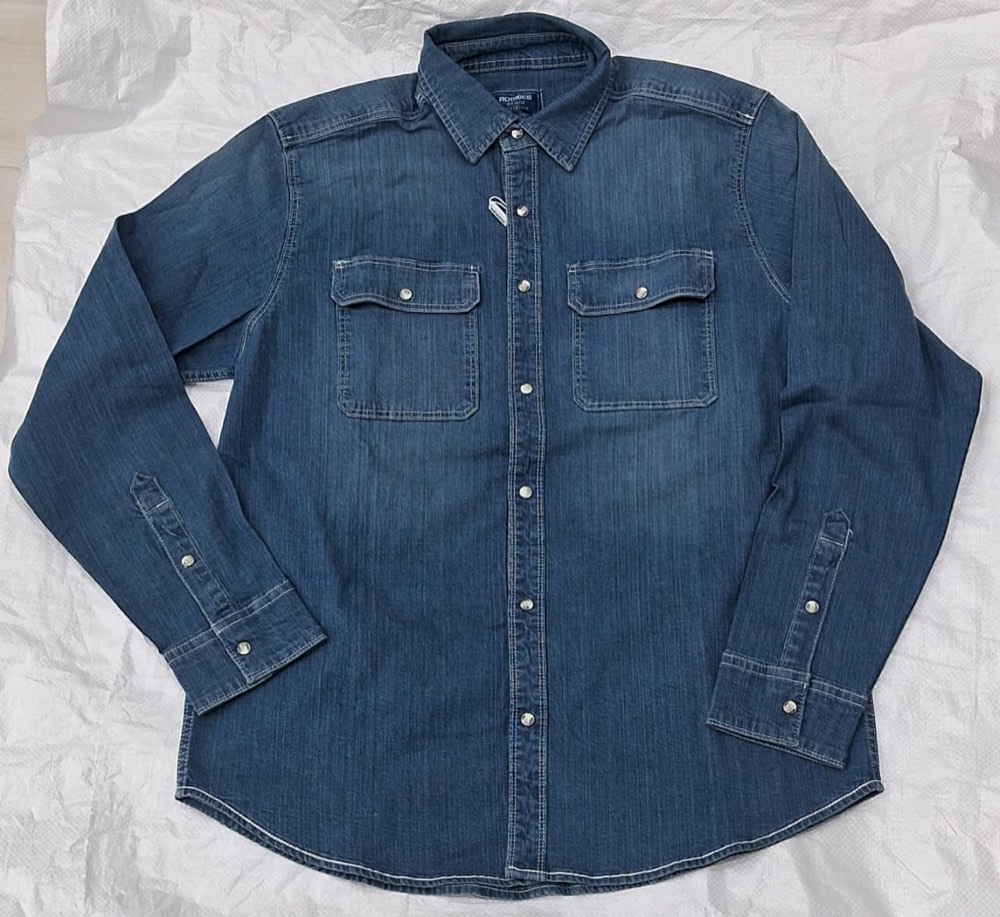
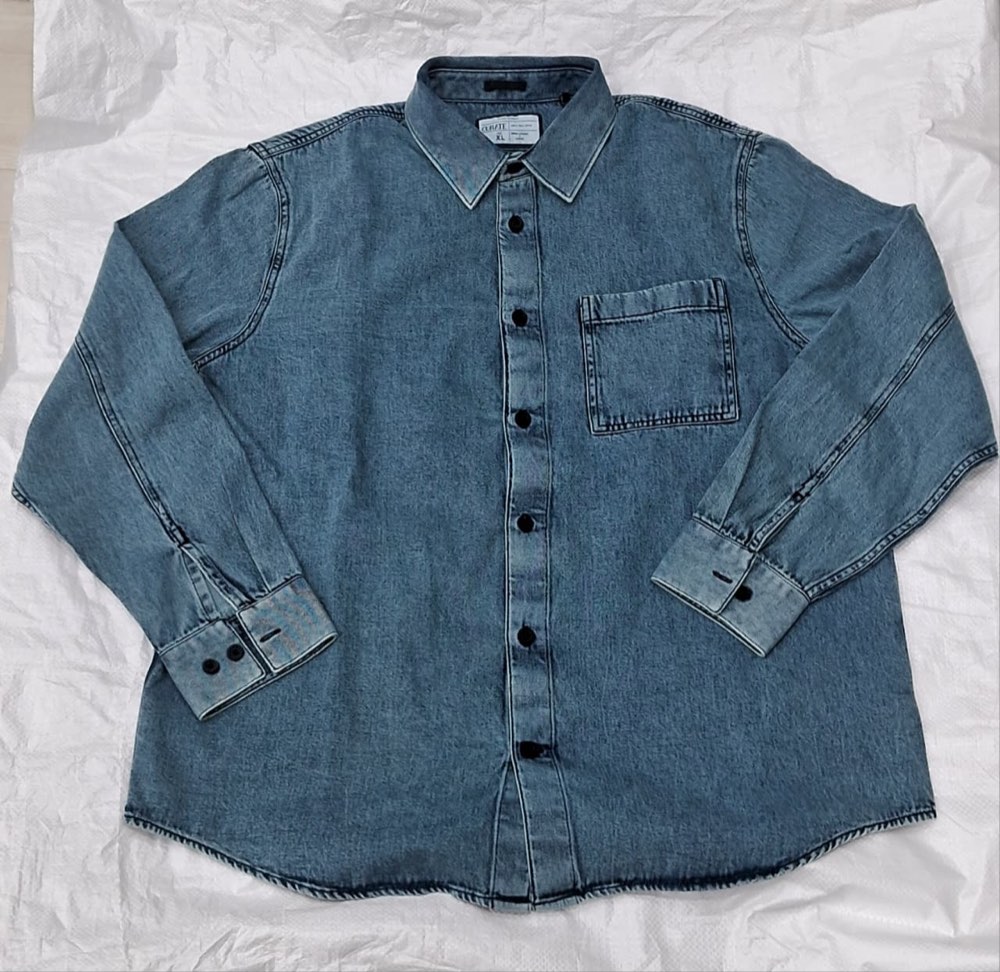
Indigo denim shirt with two flap chest pockets and snap fastenings, laid flat on white cloth
Heavier end of the scale · an indigo denim shirt, woven as a twill

Weight

How much cloth there is in a given area, often quoted in grams per square metre (GSM). Lighter dress shirtings generally sit at the lower end; Oxford, flannel and denim-style shirts are noticeably heavier. Lighter cloth feels cooler; heavier cloth holds its shape and hides creases.

Texture

What the surface looks and feels like. Smooth cloths read formal; visible texture reads relaxed. Texture also hides small creases better than a smooth face.

Drape

How the cloth falls and moves. Crisp fabrics stand slightly away from the body and hold a sharp line; softer fabrics follow the body and move with it.

Opacity

How much light passes through. Light, fine cloths in pale colours can show what is underneath; denser weaves and darker shades are more opaque.

Weave

The weave is the architecture of the cloth and shapes all four qualities above. Plain weaves (poplin, broadcloth, chambray) are smooth and light; twills are softer and drape better; basket weaves (Oxford) are textured and sturdy; figured weaves (dobby) add pattern without print.

  • Plain
  • Twill
  • Basket
  • Figured

Positions on each scale are typical tendencies, not measurements; individual cloths vary with yarn, density and finish.

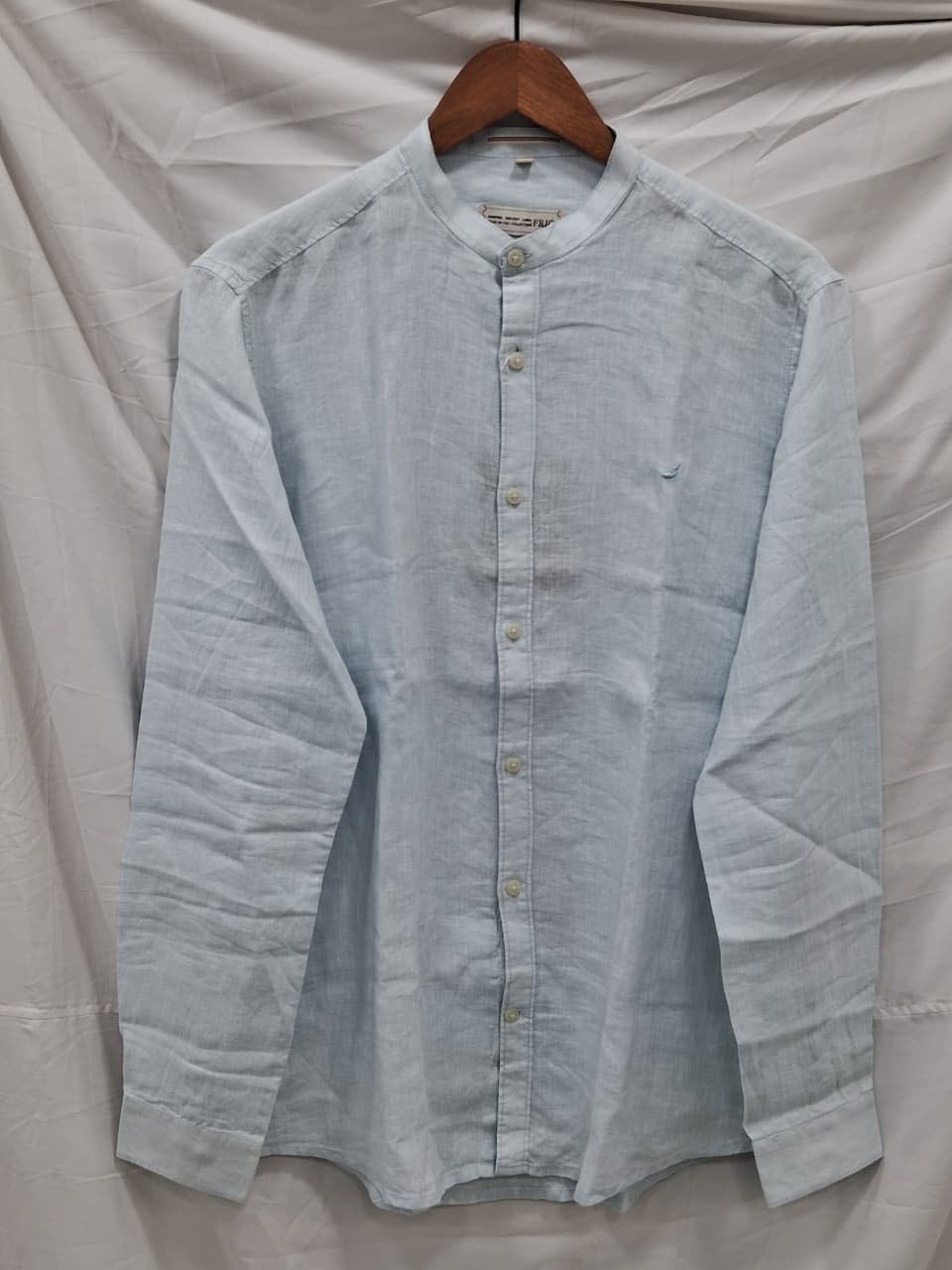
Pale sky-blue linen shirt with a band collar and light buttons, on a wooden hanger
Pale blue linen · light colour, open texture

03 Climate note · Mumbai

Fabric for a
humid city

Mumbai's warm, humid air changes the fabric question. For much of the year, the best office shirt is the one that breathes.

  1. Choose breathable fibres. Pure cotton and linen absorb moisture and let air move; cotton-linen blends combine coolness with fewer creases.
  2. Go lighter in weight. Fine poplin, light broadcloth and linen feel noticeably cooler than heavy Oxford or denim on a humid commute.
  3. Mind polyester-rich blends. They resist creases but trap more heat; keep them for air-conditioned days and travel.
  4. Use colour and texture. Lighter shades reflect heat; textured cloths such as linen and Oxford disguise the creases of a long day.
  5. Plan for air conditioning. A fine twill gives a little more warmth in a cold meeting room without feeling heavy outdoors.

04 The detail drawer

Small things, well made

The quality of a business shirt is often decided in millimetres. Seven details to look at — and what each one tells you.

Washed blue denim shirt with contrast topstitching along the placket, chest pocket, yoke and cuffs, laid flat on white cloth
Visible topstitching traces every seam, placket and cuff

D-01

Stitching Stitch density and single-needle seams

Look closely at a seam and count the stitches. Stitch density — stitches per inch — is one of the clearest signs of care in making a shirt. Higher density gives a finer, cleaner line and a stronger seam, as long as it is not so tight that it puckers the cloth.

Single-needle tailoring sews each side of a seam separately with one needle. It is slower, but the seam lies flatter and is less likely to pucker after washing. Twin-needle stitching sews two parallel rows at once and is quicker and robust, but can ripple slightly over time.

D-02

Seams Flat-felled, French and overlocked

A flat-felled seam folds the raw edges of two panels into each other and stitches them down, so the inside is as neat as the outside. It is strong, flat and comfortable against the skin, and is the traditional choice for side seams and sleeves.

French seams enclose the raw edge in a narrow tube of fabric — clean and fine, but less flat. Overlocked seams finish the raw edge with a looping stitch: functional and durable, and common in everyday shirts.

D-03

Collar interlining Fused and non-fused

The collar's shape comes from a hidden interlining. A fused interlining is bonded to the collar with heat-activated adhesive: crisp, consistent and low-maintenance, which suits most business shirts. If fusing is poorly done, it can bubble after washing.

A non-fused, or sewn-in, interlining floats between the layers and is stitched in place. It gives a softer, more natural roll and a more relaxed look, but needs a little more care when ironing. Removable collar stays keep the points straight in either case.

D-04

Cuffs Barrel, adjustable and double

Barrel cuffs close with one or two buttons; a two-button adjustable cuff lets you choose the fit around the wrist or a watch. Double (French) cuffs fold back and close with cufflinks for formal occasions.

Cuffs are interlined like collars, so they should feel firm and sit square. A small button on the sleeve placket above the cuff keeps the opening closed when you raise your arm.

D-05

Buttons Materials, sewing and security

Shirt buttons are usually shank-less, sew-through buttons with two or four holes, lying flat against the placket. Most are polyester or resin — consistent and durable. Mother-of-pearl, cut from shell, has a natural lustre and depth; corozo, from the tagua nut, and horn are other natural options with a more organic look.

Watch how a button is attached. Four-hole buttons may be sewn in parallel lines or cross-stitched in an X. A short thread shank wound beneath the button gives room for the fabric layer and makes buttoning easier, so the button is less likely to work loose.

D-06

Buttonholes Clean, dense, well cut

A good buttonhole is stitched densely enough to hide the cut edge completely, with no loose threads or fraying. Placket buttonholes usually run vertically so the shirt stays closed as you move; the collar band and cuffs typically use horizontal buttonholes.

Check that each hole is just large enough for its button: too tight and buttoning becomes a struggle; too loose and the shirt opens on its own.

D-07

Finishing Mercerisation, easy-care and more

Mercerisation treats cotton yarn or fabric with a caustic soda solution under tension. The fibres swell and become rounder, which adds lustre, improves strength and helps the cloth take dye more deeply — often the reason a cotton shirt has a gentle sheen.

Easy-care or non-iron finishes use resin treatments that help cotton resist wrinkles and recover its shape after washing. They save ironing time; the trade-off can be a slightly firmer feel and reduced breathability compared with untreated cotton. Pre-shrinking reduces shrinkage, and soft or enzyme washes make a new shirt feel broken in.

Feel the cloth in person

Photographs show colour and pattern; your hands tell you about weight, texture and drape. For cotton business shirts in Andheri and the western suburbs, Options Mall in Vile Parle West is a short trip away — bring this guide and compare a poplin, a twill and an Oxford side by side.

Next stop · 07Office Dressing